
illuminated wall mirror
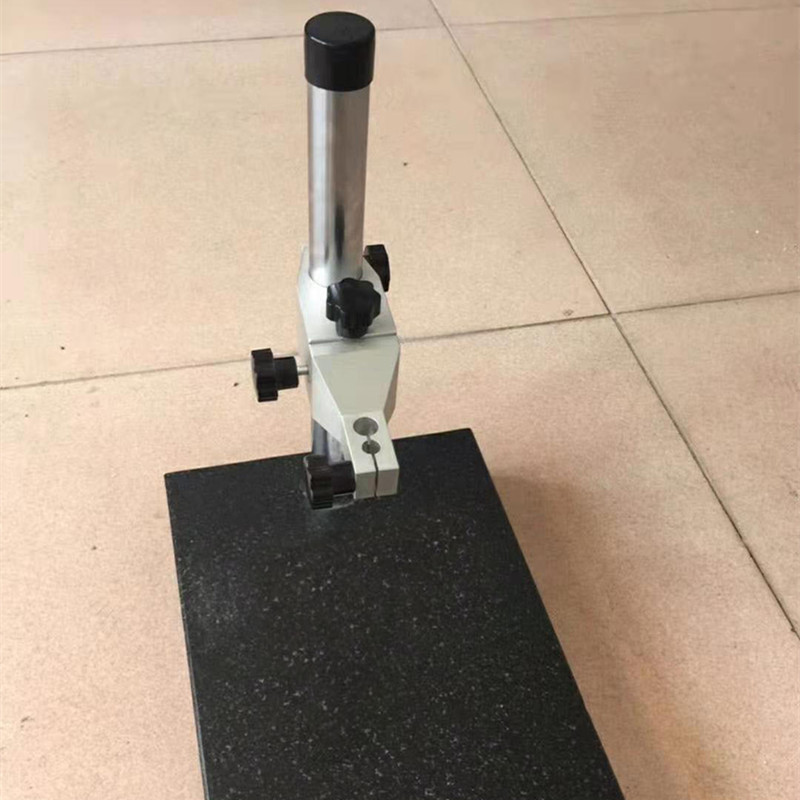
The Versatility of the Right Angle Ruler In the world of tools and instruments, the right angle ruler stands out as an essential device that combines functionality with simplicity. Often overshadowed by more modern gadgets, this humble tool has been a cornerstone for both amateurs and professionals in various fields, including carpentry, architecture, engineering, and education. Its primary purpose is to create and verify right angles, ensuring precision in every measurement. Design and Features The right angle ruler typically comprises two arms, forming a 90-degree angle, made from durable materials like metal or high-quality plastic. This design allows for easy handling and a clear line of sight, enabling measurements to be taken quickly and accurately. Some right angle rulers even feature etched or printed markings, which can further aid in measuring and laying out projects. Whether used for drawing, cutting, or checking the squareness of a frame, the right angle ruler proves invaluable. Practical Applications One of the most common applications of the right angle ruler is in carpentry. When constructing furniture or any wooden structure, achieving the correct angles is crucial. A right angle ruler ensures that corners are perfectly square, which is fundamental for stability and aesthetics. In architecture, this tool assists in laying out blueprints, making certain that all plans adhere to design specifications. In educational settings, the right angle ruler plays a vital role in teaching geometry. It helps students understand the concept of angles and the importance of right angles in various shapes. By using this tool, learners can grasp practical applications of mathematical principles, reinforcing their theoretical knowledge through hands-on experience. ruler with right angle A Tool for Precision and Accuracy The importance of precision in any craft cannot be overstated. A small error in measurement can lead to significant issues down the line, resulting in wasted materials, time, and finances. The right angle ruler mitigates these risks by providing a reliable means of verification. Its ability to check squareness quickly means that projects can proceed with confidence, knowing that the foundational measurements are sound. The Digital Age and Future of Right Angle Rulers While technology has introduced laser measuring devices and digital tools that can increase measurement accuracy, the right angle ruler remains relevant. Its straightforward design and immediate feedback are advantages that cannot be easily replicated by electronic means. Furthermore, in a world increasingly concerned with sustainability, the right angle ruler stands as a low-tech, reliable option that doesn’t rely on batteries or power sources. Conclusion In conclusion, the right angle ruler is a versatile tool that transcends multiple disciplines. Its simple design belies its importance in ensuring precision and accuracy across various projects. Whether in a workshop, classroom, or architectural firm, the right angle ruler continues to be a trusted companion for anyone seeking to create with precision and care. Its enduring practicality ensures that it will remain a staple in toolkits for years to come.
about
illuminated wall mirror
Understanding Thread Angle Gauge A Essential Tool for Precision Engineering In the world of manufacturing and precision engineering, the accuracy of threaded components is pivotal. When it comes to ensuring that screws, bolts, and nuts fit together seamlessly, one tool stands out for its importance the thread angle gauge. This instrument, often overlooked, plays a critical role in maintaining quality and consistency in mechanical assemblies, particularly in industries ranging from automotive to aerospace. What is a Thread Angle Gauge? A thread angle gauge is a specialized tool designed to measure the thread angle of various fasteners. Most threads follow standard profiles, which typically fall into specified angles, such as 60 degrees for unified threads and 55 degrees for metric threads. The gauge allows engineers and machinists to verify that the threads on a fastener conform to these standards, ensuring that they will fit properly with corresponding components. Why is Thread Angle Important? Thread angle is integral to the performance of a threaded fastener. An incorrect angle can lead to misalignment, reduced load-bearing capacity, and ultimately, mechanical failure. When parts are produced to incorrect specifications, the costs can be significant, not only in terms of rework and waste but also in potential safety hazards. Therefore, measuring the angle accurately is crucial for applications that rely on precise engineering. Types of Thread Angle Gauges There are several types of thread angle gauges, each with its specific use case thread angle gauge 1. Digital Thread Gauges These high-tech devices offer precise readings and can often store measurement data for later analysis. They are ideal for high-volume production environments where consistency is key. 2. Mechanical Thread Gauges These traditional gauges utilize physical scales or templates and are often easier to use in field conditions. They are reliable and provide quick assessments without the need for batteries or electronic components. 3. Go/No-Go Gauges This variation helps quickly determine if a part meets dimensional standards. If an angle is within the Go range, the part is acceptable; if it falls into the No-Go range, it fails inspection. How to Use a Thread Angle Gauge Using a thread angle gauge is straightforward but requires attention to detail. First, select the appropriate gauge based on the thread specifications. Place the gauge onto the threaded component, ensuring it is securely seated within the grooves. Read the angle indicated on the gauge. If using a digital gauge, ensure you have properly calibrated it before measuring. Regular use of a thread angle gauge in quality control processes can significantly enhance product reliability. It is advisable for engineering teams to incorporate these gauges into their standard operating procedures, particularly for critical applications where thread integrity is paramount. Conclusion The thread angle gauge may seem like a simple tool, yet it embodies the complexities of precision engineering. As industries continue to push the boundaries of technology and efficiency, ensuring that components fit together perfectly requires meticulous attention to detail. By employing a thread angle gauge, manufacturers can uphold quality standards, minimize failures, and enhance the safety and reliability of their products. As such, this unassuming tool is not just an accessory in the workshop; it is an essential component of modern engineering's commitment to excellence.
-

High quality industrial productsagement

High quality industrial products
View Details -

Meet the diverse needs of customers

Meet the diverse needs of customers
View Details -

Strict quality control

Strict quality control
View Details -

Top raw materials

Top raw materials
View Details -

Trusted supplier

Trusted supplier
View Details
Our application
news and information

Versatile and Durable Metal Angle Brackets for Adjustable Applications in Home and Industrial Projec
The Versatility and Utility of Adjustable Metal Angle Brackets In the world of construction and DIY
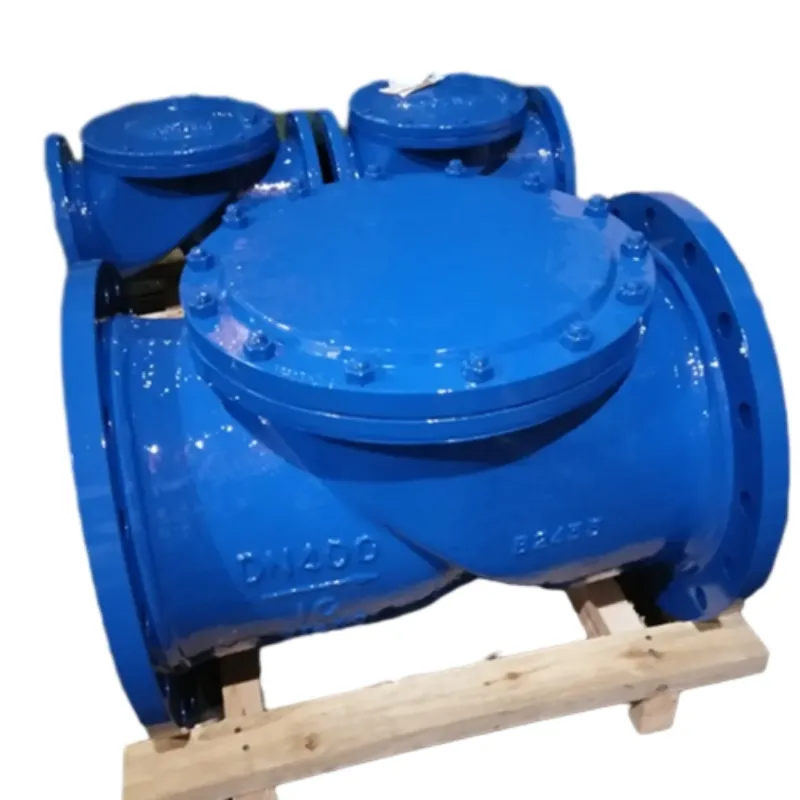
Valvola a sfera da 150 mm - Alta qualità e prestazioni
Valvola a Vite da 150mm Un Eccellente Strumento per il Controllo del Flusso La valvola a vite da 150

What Are the Different Types of Gate Valves_
When diving into the world of industrial flow control, understanding the various types of gate valve
 English